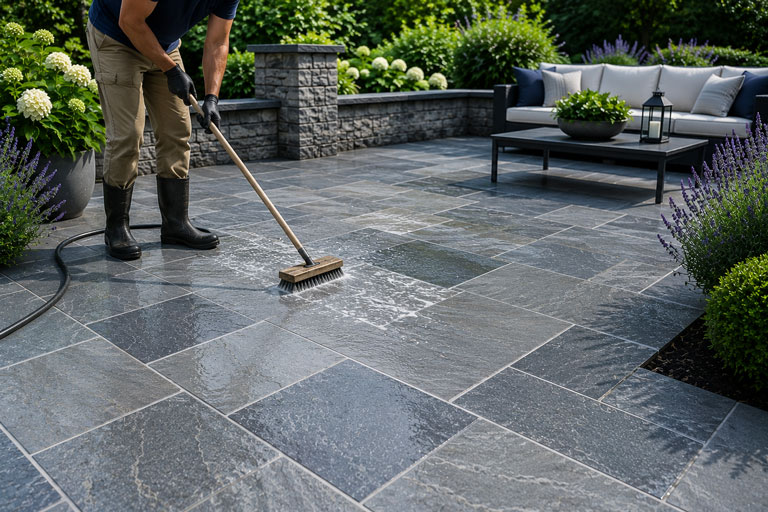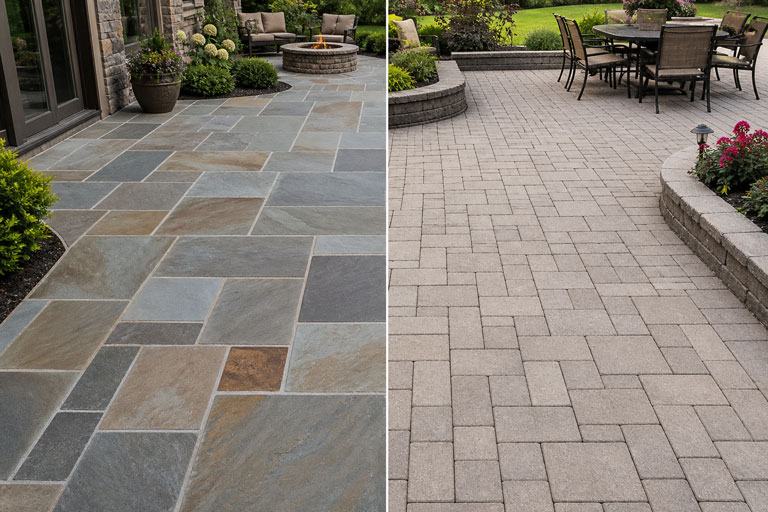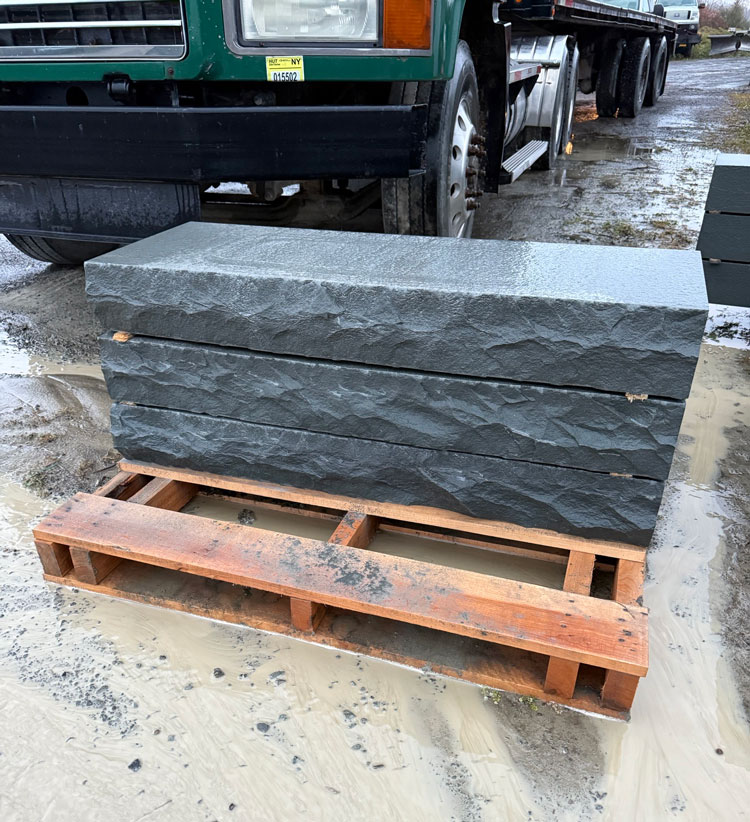
Bluestone steps are one of the most attractive and durable additions you can make to your landscape. Whether they lead to a front entrance, connect different elevations in your yard, or provide access to a patio or pool, properly constructed bluestone steps combine timeless natural beauty with exceptional long-term performance.
While every project is unique, the basic principles of building safe, stable, and long-lasting bluestone steps remain the same. In this guide, we’ll walk through the process and highlight the key considerations for a successful installation.
Quick Answer
Building bluestone steps starts with planning, excavation, and a stable compacted base. Structural bluestone slab steps are then installed on a level foundation with consistent riser heights and proper drainage. Careful installation helps create attractive, durable steps that can last for generations.
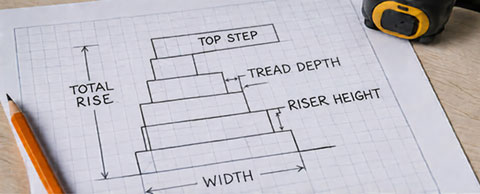
Step 1: Plan the Stair Layout
Before excavation begins, determine:
- Total elevation change
- Number of steps required
- Step width
- Tread depth
- Riser height
- Drainage direction
The goal is to create comfortable, consistent steps that feel natural to walk on.
Consistency is one of the most important aspects of stair safety.
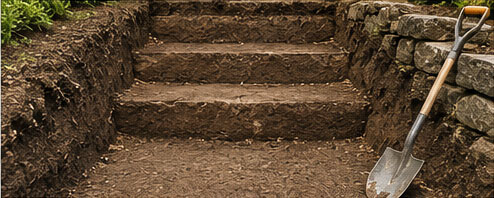
Step 2: Excavate the Area
Remove soil and organic material until you reach stable ground.
The excavation should be deep enough to accommodate:
- Compacted subgrade
- Crushed stone base
- Bedding material
- Bluestone treads
Proper excavation provides the foundation for a stable staircase.
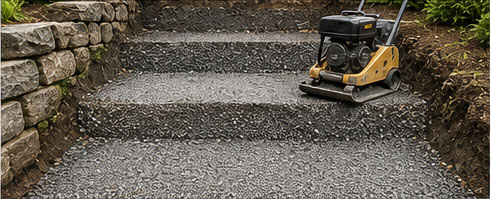
Step 3: Prepare a Solid Base
One of the biggest factors in long-lasting stone steps is the quality of the foundation beneath them.
A typical installation includes:
- Compacted subgrade
- Crushed stone base
- Multiple stages of compaction
- Level bedding material
Each layer should be thoroughly compacted before continuing.
A stable base minimizes settling and movement over time.
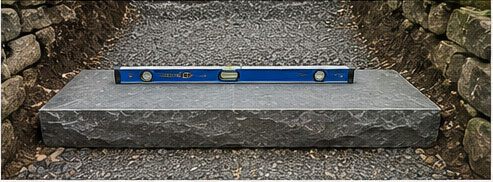
Step 4: Install the Bottom Step First
Construction generally begins with the lowest tread.
Starting at the bottom allows each successive step to rest securely against the one below it while maintaining consistent riser heights throughout the staircase.
Take time to verify:
- Level
- Alignment
- Elevation
- Proper drainage
Small adjustments made early produce better long-term results.
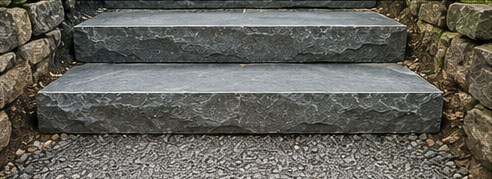
Step 5: Install Bluestone Steps
Unlike standard patio pavers, bluestone treads are manufactured specifically for stair construction.
These thicker structural stones provide the strength necessary to support repeated foot traffic while creating a clean, finished appearance.
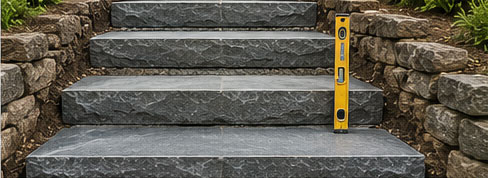
Each tread should be:
- Fully supported
- Level from side to side
- Slightly pitched forward for drainage
- Properly aligned with adjacent steps
Step 6: Maintain Consistent Riser Heights
One of the most common installation mistakes is inconsistent riser heights.
Even small differences can make stairs feel awkward and increase the likelihood of trips.
Throughout the installation, continually verify that each riser remains consistent from the bottom step to the top landing.
Step 7: Check Drainage
Water should never collect on stair treads.
Each tread should have a slight forward pitch that encourages water to drain away naturally.
Proper drainage helps reduce:
- Standing water
- Freeze-thaw damage
- Ice formation
- Long-term deterioration
Step 8: Finish the Surrounding Landscape
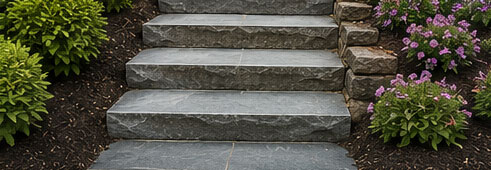
Once the steps are complete, the surrounding area can be finished with complementary materials such as:
- Bluestone walkways
- Bluestone patios
- Retaining walls
- Decorative gravel
- Mulch
- Landscape plantings
Many homeowners choose matching Pennsylvania bluestone products to create a cohesive outdoor design.
Common Mistakes to Avoid
Avoiding a few common errors can significantly improve the longevity of your staircase.
These include:
- Poor base preparation
- Inconsistent riser heights
- Insufficient compaction
- Inadequate drainage
- Using standard pavers instead of structural treads
- Failing to verify level during installation
Careful planning and attention to detail produce the best results.
Frequently Asked Questions
What is the best material for outdoor stone steps?
Pennsylvania bluestone is one of the most popular choices because of its strength, durability, slip resistance, and timeless appearance.
Should bluestone steps be level?
Each tread should be level from side to side but include a slight forward pitch to encourage proper drainage.
Can I build bluestone steps myself?
Small landscape projects may be suitable for experienced DIY homeowners, but larger staircases often benefit from professional installation due to grading, structural support, and drainage considerations.
How long do bluestone steps last?
When installed on a properly prepared base with adequate drainage, Pennsylvania bluestone steps can last for decades with only minimal maintenance.
Build Steps That Last for Generations
Beautiful outdoor stairs begin with quality materials and proper installation. By combining a stable foundation with premium Pennsylvania bluestone step treads, you can create steps that are safe, durable, and built to withstand years of everyday use.
At American Stone & Timber, we proudly supply premium Pennsylvania bluestone treads, pavers, slabs, coping, and other natural stone products for homeowners, contractors, and landscape professionals. Whether you’re building a front entrance, a garden staircase, or a complete outdoor living space, our knowledgeable team is here to help you choose the right materials for your project.
Contact us today to learn more about our selection of authentic Pennsylvania bluestone steps cut to your specifications.