Pennsylvania bluestone is prized for its natural beauty, exceptional durability, and timeless appeal. One of the most common questions homeowners ask after installing a new patio, walkway, or pool deck is: Should you seal your bluestone?
The answer depends on how the stone will be used, the finish you’ve selected, and the look you want to achieve. While sealing is not always necessary, it can provide additional protection in certain applications.
In this guide, we’ll explain when sealing makes sense, when it may not be needed, and the pros and cons of applying a stone sealer.
Quick Answer
No, Pennsylvania bluestone does not have to be sealed. It is naturally durable and performs exceptionally well without a sealer. However, sealing can help protect against stains, reduce moisture absorption, simplify cleaning, and enhance the stone’s appearance in areas exposed to food, grease, or heavy traffic.
Does Bluestone Need to Be Sealed?
Unlike many manufactured paving materials, Pennsylvania bluestone is a dense natural stone designed to withstand outdoor conditions.
Many professionally installed bluestone patios remain beautiful for decades without ever being sealed.
That said, there are situations where sealing offers worthwhile benefits.
Benefits of Sealing Bluestone
A quality penetrating stone sealer can provide several advantages.
Helps resist Staining
Outdoor living spaces often encounter:
- Grease from grills
- Food spills
- Leaf stains
- Dirt
- Oil
- Fertilizers
- Bird droppings
A penetrating sealer can slow the absorption of oil, grease, and other contaminants, providing more time to clean spills, but it cannot make bluestone completely stain-proof.
Reduces Moisture Absorption
Although bluestone performs well in wet environments, sealing helps reduce the amount of water absorbed into the stone.
This may help minimize:
- Water penetration
- Freeze-thaw stress
- Surface staining
- Mineral deposits
Makes Cleaning Easier
Sealed stone is generally easier to maintain because dirt and debris remain closer to the surface rather than penetrating the stone.
Routine maintenance often becomes faster and more effective.
Enhances Color
Some sealers are formulated to enhance the natural colors of bluestone.
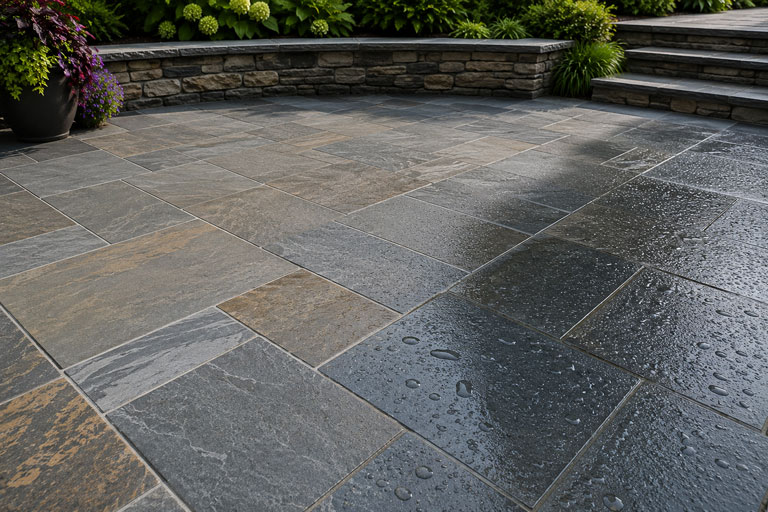
These “enhancing sealers” can deepen the blues, grays, tans, and earth tones while giving the stone a richer appearance.
Homeowners who prefer the natural weathered look often choose penetrating sealers that provide protection without altering the stone’s color.
When Is Sealing Recommended?
Sealing is often recommended for:
- Outdoor kitchens
- Dining patios
- Pool decks
- Entryways
- Covered patios
- High-traffic entertaining areas
These locations are more likely to experience spills, staining, or frequent use.
When You May Not Need a Sealer
Many homeowners choose not to seal their bluestone, particularly when installing:
- Garden paths
- Natural landscape walkways
- Rustic patios
- Woodland settings
- Decorative landscape features
Some people simply prefer allowing the stone to weather naturally over time.
There is no right or wrong choice—it comes down to your personal preference and the specific application.
How Often Should Bluestone Be Sealed?
The lifespan of a sealer depends on:
- Product quality
- Weather exposure
- Foot traffic
- Cleaning methods
Service life varies considerably by product, stone porosity, exposure, traffic, and maintenance. Some product warranties and expected performance vary far beyond a universal 3–5-year range.
Always follow the manufacturer’s recommendations for inspection and reapplication.
Can You Seal Both Thermal and Natural Cleft Bluestone?
Yes.
Both finishes can be sealed.
Thermal-Finished Bluestone
A penetrating sealer helps protect the smooth, slip-resistant surface of thermal bluestone without significantly changing its appearance.
Natural Cleft Bluestone
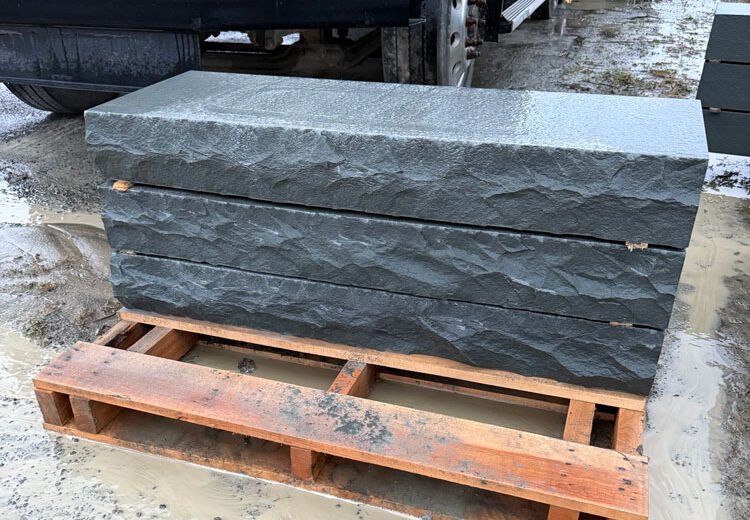
Natural cleft bluestone can also be sealed to reduce staining while preserving its rustic texture.
Many homeowners choose an enhancing sealer to emphasize the stone’s natural color variations.
COMMON MISTAKES TO AVOID
If you decide to seal your bluestone, avoid these common mistakes:
- Applying sealer to dirty stone
- Using interior sealers outdoors
- Applying too much product
- Ignoring manufacturer instructions
- Sealing before the stone has fully dried
- Choosing a glossy finish for areas where a natural look is preferred
Proper preparation is just as important as the sealer itself.
Frequently Asked Questions
Does sealing make bluestone slippery?
Most high-quality penetrating sealers do not make bluestone slippery because they soak into the stone rather than forming a surface coating.
Glossy film-forming products, however, may reduce traction and are generally not recommended for outdoor walking surfaces.
Can I leave my bluestone unsealed?
Absolutely. Pennsylvania bluestone is naturally durable and many installations perform beautifully without any sealer.
Will sealing change the color?
Penetrating sealers usually maintain the stone’s natural appearance.
Enhancing sealers deepen the color and create a richer, darker look.
Is sealing required around pools?
No. Many pool decks remain unsealed. However, sealing can help reduce staining from sunscreen, beverages, leaves, and other outdoor contaminants.
How do I know when it’s time to reseal?
If water no longer beads on the surface and instead absorbs into the stone, it may be time to inspect and reapply the sealer according to the manufacturer’s recommendations. Test a clean, dry, inconspicuous area according to the sealer manufacturer’s directions. If water absorbs and darkens the stone noticeably faster than it did after sealing, the surface may need another application. Water beading alone is not always a reliable indicator, so follow the product’s inspection and reapplication guidance.
Protect Your Investment
Pennsylvania bluestone is made to last, whether you choose to seal it or let it weather naturally. The decision ultimately depends on your maintenance preferences, desired appearance, and how the stone will be used.
At American Stone & Timber, we proudly supply premium Pennsylvania bluestone for patios, walkways, pool decks, steps, and outdoor living spaces. Our knowledgeable team is happy to answer questions about stone care, finishes, and long-term maintenance so you can enjoy your investment for years to come.
Contact us today to learn more about our premium Pennsylvania bluestone products and get expert guidance for your next project.