Step by Step Instructions
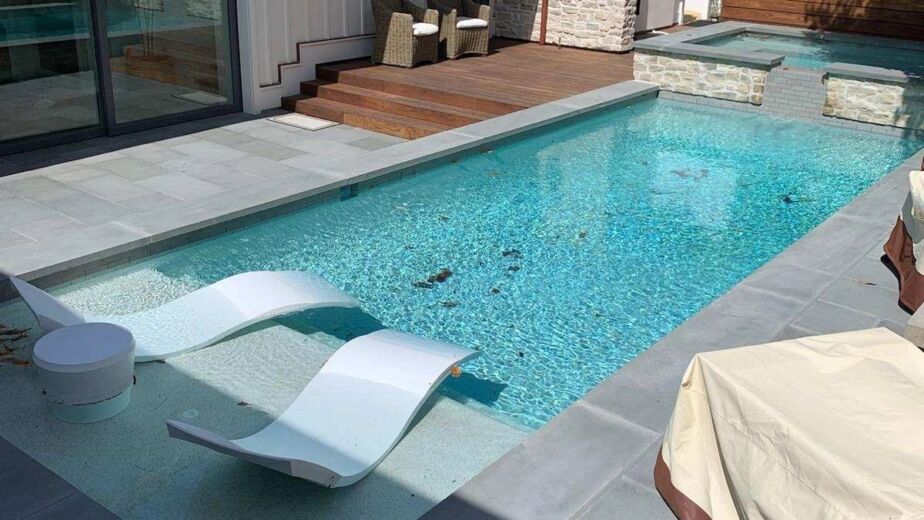
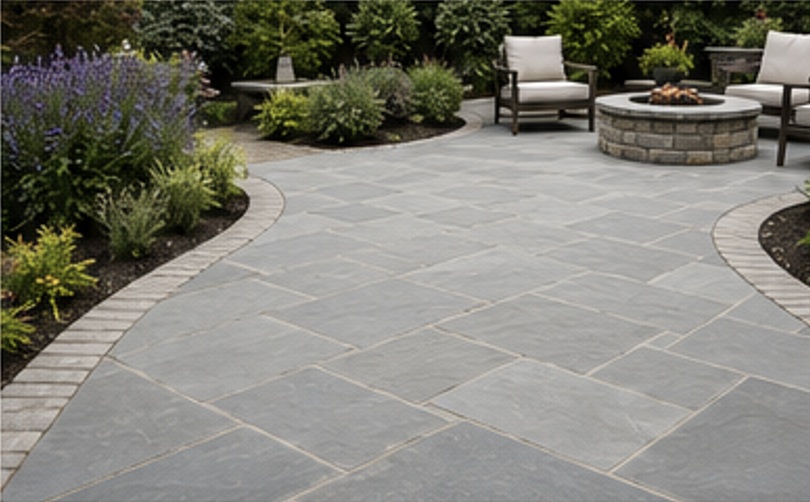
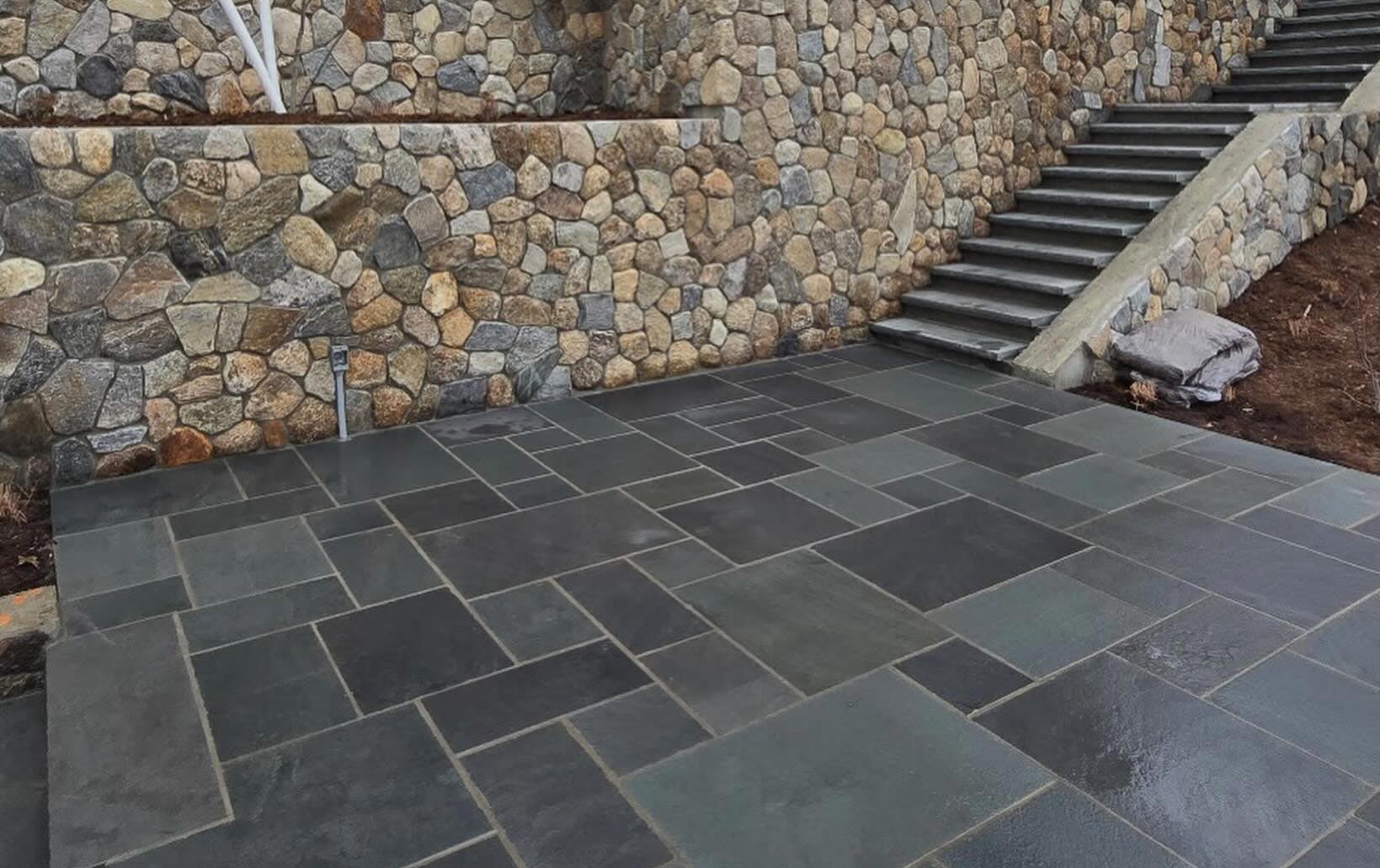
Pennsylvania bluestone has long been one of the most popular natural stone materials for patios, walkways, pool decks, and outdoor living spaces. Its exceptional durability, timeless appearance, and naturally slip-resistant surface make it an excellent investment for homeowners looking to create beautiful outdoor environments.
While professional installation is always recommended for large or complex projects, understanding the installation process can help homeowners plan their project and appreciate the craftsmanship behind a quality Bluestone patio.
Before starting your project, it’s also worth reviewing the most common Bluestone installation mistakes so you can avoid issues like poor drainage, settling, loose stones, and cracked pavers.
This guide focuses on a dry-laid Bluestone Paver installation over a compacted aggregate base. Mortared installations over concrete require different materials, preparation, drainage details, and joint treatments and should generally be completed by an experienced masonry professional.
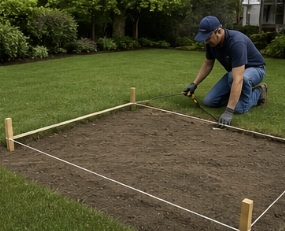
Step 1: Plan and Mark Your Layout
Before excavation begins, carefully measure the project area.
Use stakes and mason’s string to outline the patio or walkway while checking for square corners and proper dimensions.
During this phase, you’ll also determine drainage, finished elevation, and any necessary slopes to prevent standing water.
Pro Tips
As a general guideline, patios are often sloped approximately ¼ inch per foot away from buildings to promote drainage. However, the appropriate slope depends on the site, surface finish, drainage plan, local requirements, and selected installation system. Direct runoff toward an approved drainage area rather than neighboring properties or building foundations.
Before digging, contact the appropriate utility-locating service to have underground lines marked, and check whether local permits or approvals are required.
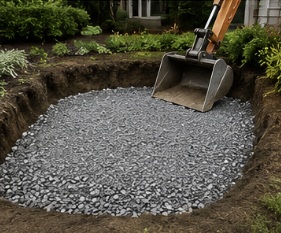
Step 2: Excavate and Prepare the Base
A stable foundation is the key to a patio that lasts for decades.
The installation area is excavated to the proper depth based on soil conditions and the thickness of the stone.
Typically, the base includes:
- Compacted subsoil
- Geotextile fabric (optional)
- Crushed stone base
- Bedding layer (do not compact)
Compact the subsoil and crushed stone base thoroughly before installing and screeding the bedding layer. The bedding layer generally should not be compacted or disturbed before the pavers are placed.
The required excavation depth and base thickness will vary depending on soil and drainage conditions, freeze-thaw exposure, anticipated loads, paver thickness, and the selected bedding and jointing system. For a typical patio, a compacted aggregate base approximately 4–6 inches thick is a common general guideline, and bluestone pavers are often approximately 1½–2 inches thick. Greater base depth or specially rated pavers may be required for unstable soils, harsh freeze-thaw conditions, or vehicular applications. Calculate the total excavation depth by combining the compacted base, bedding layer, and paver thickness.
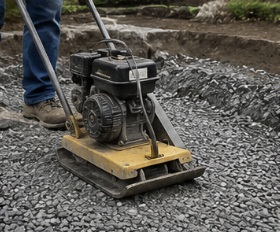
Step 3: Compact the Base
The crushed stone base is installed in several thin lifts rather than all at once.
Each layer is compacted using a vibrating plate compactor until a firm, stable surface is achieved.
Proper compaction greatly reduces settling over time.
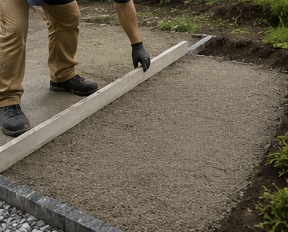
Step 4: Install the Bedding Layer
A thin layer of stone dust or bedding material is screeded perfectly level.
This layer allows the pavers to sit evenly while maintaining consistent support beneath every stone.
Avoid walking directly on the prepared bedding layer before installing the pavers.
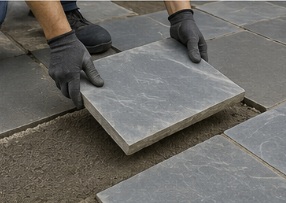
Step 5: Lay the Bluestone Pavers
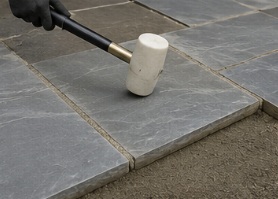
Begin laying the stones from one corner while maintaining the planned joint spacing. Use a rubber mallet to gently tap each stone into place, frequently checking that it aligns with the finished grade and follows the planned drainage slope.
Bluestone may be installed in:
- Running bond
- Random pattern
- Ashlar pattern
- Large-format contemporary layouts
Each pattern creates its own unique appearance.
Step 6: Check Alignment Frequently
Every few rows, verify:
- Level
- Straight joints
- Consistent spacing
- Overall pattern
Making small adjustments early prevents larger corrections later.
Pro Tip
Install edge restraints before filling the joints. Properly secured edges help prevent the outside pavers from spreading or shifting over time.
Step 7: Fill the Joints
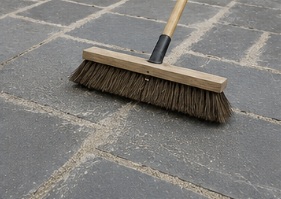
Once the patio is complete, polymeric sand is swept into the joints.
The sand helps:
- Lock pavers together
- Reduce weed growth
- Discourage insects
- Improve overall stability
After sweeping, excess sand is removed before lightly activating it with water according to the manufacturer’s instructions.
Step 8: Perform A Final Inspection
After installation, inspect the entire patio for:
- Proper drainage
- Uniform joints
- Secure edge restraints
- Level walking surfaces
- Clean stone surfaces
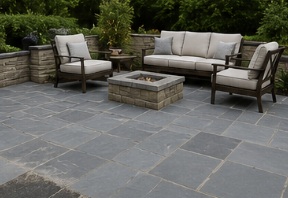
A carefully installed Bluestone patio should provide decades of dependable performance with minimal maintenance.
Benefits of Installing Bluestone Pavers
Choosing Pennsylvania bluestone offers numerous long-term advantages.
- Exceptional durability
- Natural slip resistance
- Beautiful color variation
- Timeless appearance
- Freeze-thaw resistance
- Low maintenance
- Increases property value
- Ideal for patios, walkways, and pool decks
Frequently Asked Questions
Can I install bluestone pavers myself?
Yes, small projects can be completed by experienced DIY homeowners, but larger patios and walkways generally benefit from professional installation to ensure proper drainage, base preparation, and long-term durability.
What is the best base for bluestone pavers?
A properly compacted crushed stone base topped with a screeded bedding layer provides excellent stability and helps prevent settling over time.
How thick should bluestone pavers be?
The appropriate thickness depends on the application and installation method. Residential patios typically use thinner pavers than driveways or other load-bearing areas. Your supplier can recommend the right thickness for your project.
Should bluestone be sealed?
Sealing is optional but can help protect against staining and make routine maintenance easier. Many homeowners choose to seal bluestone in areas exposed to heavy use or frequent moisture. For help deciding whether sealing makes sense for your patio, read our guide: should you seal bluestone?
How long will a bluestone patio last?
When installed correctly on a properly prepared base, Pennsylvania bluestone can last for generations with only minimal maintenance.
Build an Outdoor Space That Lasts
Whether you’re creating a backyard patio, a winding garden walkway, or a luxurious pool deck, Pennsylvania Bluestone offers unmatched beauty, durability, and timeless appeal. With proper installation, your investment will provide years of enjoyment while enhancing the value and character of your property.
At American Stone & Timber, we proudly supply premium Pennsylvania bluestone pavers for homeowners, contractors, and landscape professionals. Get in touch with our team today to find the right stone for your next outdoor project.